
Introduction
AI agents are revolutionising business automation, reshaping how companies operate in 2025. These intelligent systems handle AI-driven sales, AI-powered audits, and even no-code development, outperforming traditional methods. By leveraging AI workflows, businesses achieve unprecedented speed and efficiency, launching startups in hours, not months. Solopreneurs now compete with giants using AI-generated code and AI marketing automation, eliminating manual tasks.
From real-time SEO adjustments to autonomous deal negotiations, AI agents redefine productivity. The shift is clear: adapt to hyper-automation or risk obsolescence. Whether scaling an AI SEO agency or prototyping new products, these tools deliver a competitive edge. The future belongs to those who embrace AI-powered transformation today.
Why AI Agents Are Replacing Traditional Jobs
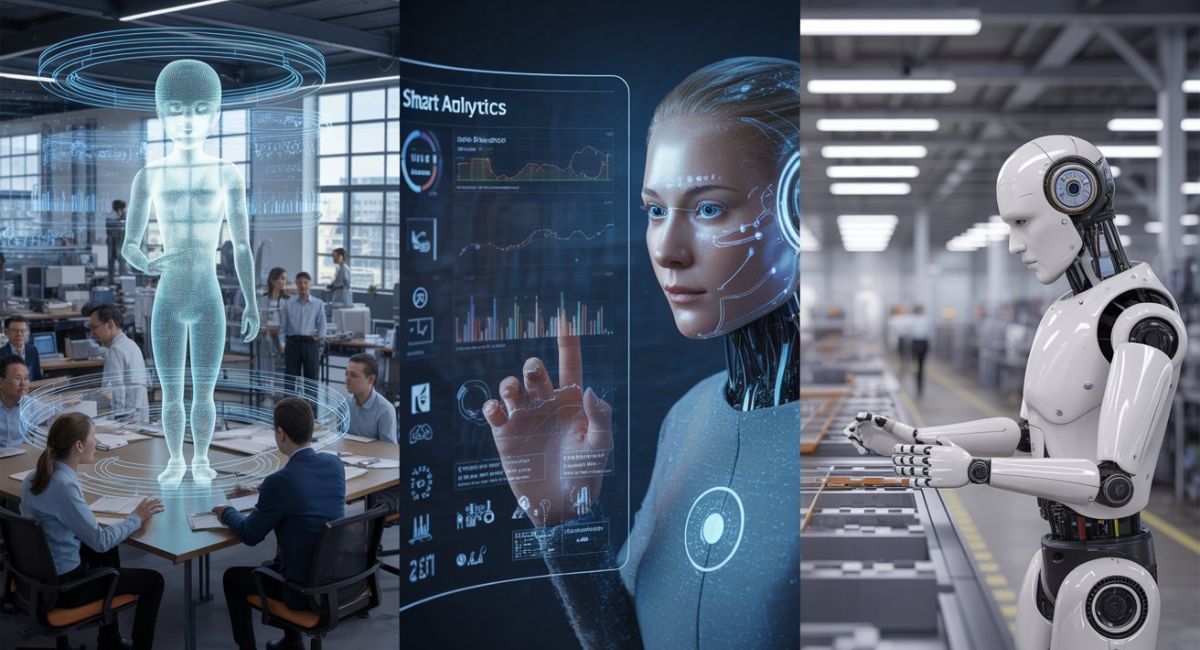
The rise of AI agents is redefining how work gets done across industries. Unlike traditional employees, AI agents operate 24/7, learn from data, and automate complex tasks — from customer service to digital marketing and financial analysis. Businesses are adopting them not just to cut costs, but to scale efficiency and eliminate human error.
AI Agents are changing the business landscape at an unprecedented pace. These intelligent systems can analyze data, automate tasks, and make decisions with minimal human input. Companies are leveraging AI agents to boost efficiency, cut operational costs, and scale processes faster than traditional methods allow. From customer service chatbots to AI-powered analytics platforms, their applications span multiple industries. AI agents not only perform routine work but also enhance decision-making by providing actionable insights. As more businesses adopt them, understanding how AI agents integrate with human teams becomes crucial for maintaining a competitive edge. Ultimately, AI agents are not replacing humans—they are reshaping how work gets done and unlocking new opportunities for innovation.
What makes AI agents so disruptive is their ability to think and act autonomously. They can process massive datasets, make real-time decisions, and continuously improve through machine learning. As companies integrate AI automation and intelligent systems, many routine and middle-skill roles are being replaced or reshaped.
This shift doesn’t just change job titles — it transforms entire career structures. Future job growth will likely favor those who can build, train, or collaborate with AI systems, rather than compete against them.
Gone are the days when companies needed large teams. AI product managers, developers, and marketers now work as one. Tools like Manis AI research trends, draft business plans, and negotiate deals. A solopreneur can run a full business alone using AI-assisted development.
The biggest advantage? Speed. Traditional methods take weeks. AI-powered audits deliver insights in minutes. A side hustle can grow into an AI-driven business with minimal effort. Tools like Idea Browser spot trends, while Superbase handles data storage. The result? Faster growth and unbeatable efficiency.
How AI-Powered Tools Are Changing SEO
SEO isn’t just about Google anymore. With AI search visibility rising, businesses must adapt. LLM SEO strategies ensure your brand appears in ChatGPT and Claude AI responses. Forget backlinks—ranking in AI chatbots will soon drive more traffic than traditional search.
Modern AI SEO tools don’t just help you rank; they help you understand why you rank. They suggest topic gaps, predict ranking difficulty, and even create optimized content outlines tailored to Google’s algorithms. This automation frees marketers from repetitive tasks so they can focus on strategy and storytelling — the human side of SEO that still matters.
But here’s the catch: the same AI that helps you rank can also raise the bar. As everyone uses similar tools, differentiation now depends on how creatively you apply them. The future of SEO belongs to those who use AI-powered tools not as shortcuts, but as amplifiers of strategy and authenticity.
AI-powered tools are transforming SEO by automating analysis, content creation, and optimization tasks. They help marketers identify high-impact keywords, analyze search intent, and optimize content structure more efficiently than manual methods. Tools like Surfer SEO, Clearscope, and ChatGPT provide insights on topic clusters, ranking potential, and competitor strategies, enabling smarter decision-making. By automating repetitive tasks, SEO professionals can focus on strategy, creativity, and improving user experience. However, the key to success isn’t just using AI—it’s applying it intelligently to stand out. AI-powered tools are making SEO faster, data-driven, and far more precise.
An AI SEO agency can audit your AI search visibility and instantly suggest fixes. Tools like Whisper Flow turn voice notes into voice-to-SEO strategies, while N8N automates lead generation. The best part? These AI marketing automation tools work 24/7, capturing leads while you sleep.
Traditional SEO vs. AI-Powered SEO
| Feature | Traditional SEO | AI-Powered SEO |
| Focus | Google rankings | ChatGPT & AI tools |
| Content Creation | Manual backlinks | AI-generated content |
| Speed | Slow updates (weeks) | Real-time adjustments |
Building a Business with No-Code AI Tools
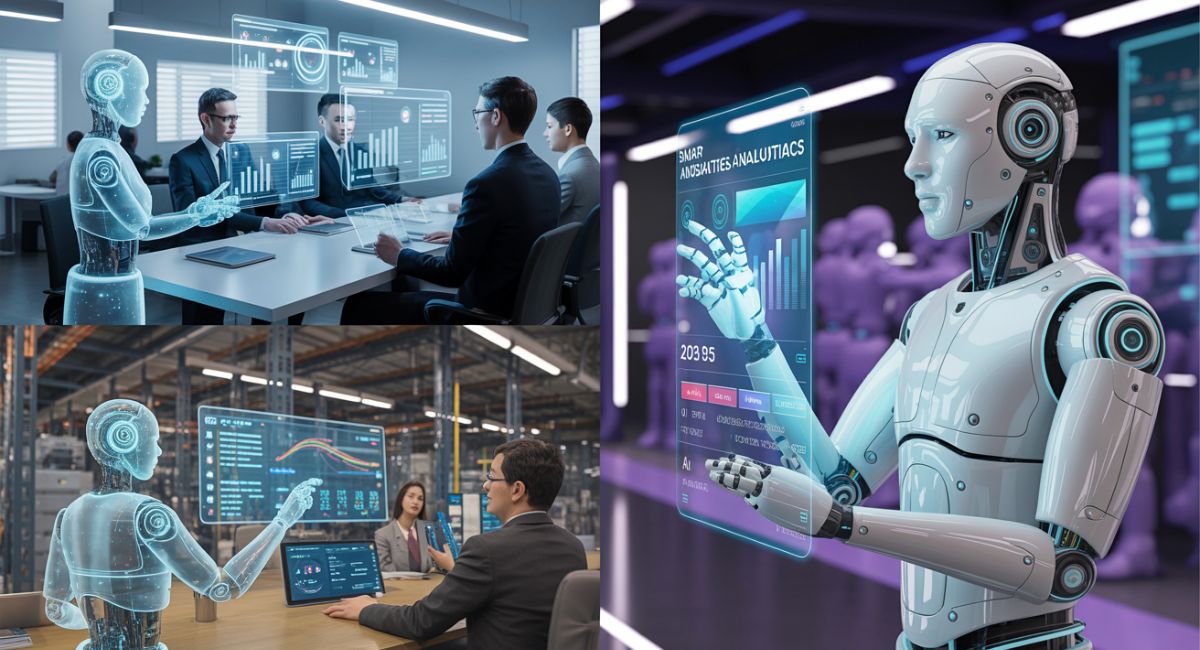
Platforms like Bubble, Zapier, and Make allow you to create AI-driven apps, automation workflows, and chatbots without writing a single line of code. This lowers the barrier to entry, letting founders focus on idea validation, user experience, and growth strategy instead of software development.
With no-code AI, small teams can deploy solutions that previously required large engineering resources. From automating customer support to building AI-powered marketplaces, these tools accelerate product launch cycles and reduce operational costs. The key is combining creative problem-solving with AI capabilities — the tools handle the technical heavy lifting while you focus on business vision.
However, scaling still requires strategy. Integrating analytics, security measures, and process optimization ensures your no-code solution doesn’t hit performance bottlenecks as your business grows.
You don’t need to be a tech expert to launch a startup. No-code AI tools like Bolt.new let anyone create a product in hours. Just describe your idea, and AI-generated code builds the website. Need customer feedback? Lindy AI tracks responses and autonomously follows up with leads.
Even complex tasks like API integration are now simple. Cursor AI helps debug code with AI, while Gum Loop manages workflows. The result? Faster product-market fit and lower costs. One founder tested 10 business ideas in a month using AI-powered prototyping—something that once took years.
The Future: AI Negotiation Agents & Hyper-Automation
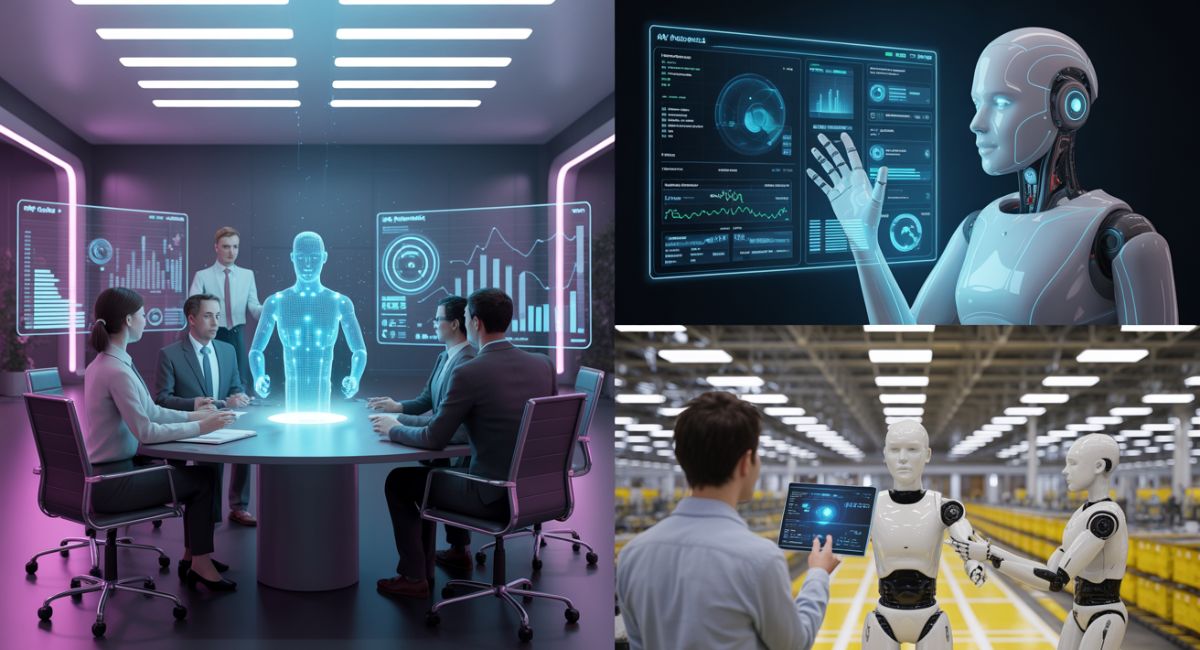
Soon, AI negotiation agents will close deals for you. Imagine an email bot handling client pricing while you focus on growth. Tools like Claude AI have drafted contracts and autonomously followed up with leads. The future belongs to businesses using AI workflows at every step.
The next frontier in business automation lies in AI negotiation agents and hyper-automation. These technologies don’t just execute tasks — they analyze, decide, and interact on behalf of humans. AI negotiation agents can handle contract discussions, procurement deals, and customer negotiations, using real-time data to optimize outcomes and reduce human error.
Hyper-automation takes it further by integrating AI, RPA (Robotic Process Automation), and advanced analytics to streamline entire workflows. Companies adopting this approach can accelerate decision-making, cut operational costs, and maintain 24/7 intelligent operations. The combination of these innovations promises a future where businesses are more agile, data-driven, and self-optimizing than ever before.
For professionals, the implication is clear: roles will shift from execution to oversight, strategy, and AI collaboration. Mastering these tools and understanding their impact will be key to staying relevant in the automated economy.
From lead qualification to AI-driven sales, automation is the new competitive edge. Companies ignoring this shift will fall behind. As one tech CEO said:
“AI isn’t replacing humans—it’s replacing businesses that don’t use AI.”
FAQS
Q: What is the role of AI in business automation?
AI automates repetitive tasks, analyses data, and optimises workflows to boost efficiency and reduce human error.
Q: How is AI transforming business?
AI enables smarter decision-making, 24/7 operations, and hyper-personalized customer experiences at scale.
Q: How does AI help automation?
A: AI powers self-learning systems that adapt, predict outcomes, and execute complex tasks without human intervention.
Q: What are the five types of AI agents?
Simple reflex, model-based, goal-based, utility-based, and learning agents.
Q: What is business process automation using AI?
AI-driven automation streamlines operations (e.g., invoicing, customer support) by combining RPA with intelligent decision-making.
If you’re exploring AI content creation for gaming, don’t miss our detailed GTA 6 Interactive Map Guide.
Final Thoughts
AI isn’t just changing the way we work — it’s changing what work means. From AI agents to no-code tools and hyper-automation, the shift is no longer futuristic; it’s happening now. Businesses that adapt early will gain an edge in speed, efficiency, and innovation, while those resisting change risk getting left behind.
The rise of AI-powered tools doesn’t erase human value — it redefines it. Creativity, strategy, and emotional intelligence will become the new currency in a world where machines handle execution. The smartest move isn’t to fear automation but to partner with it, building systems that scale your ideas, not replace them.
The age of AI-driven business is here. Whether you’re a solopreneur or a startup, AI-powered tools can 10x your growth. Start small, automate fast, and let AI agents handle the rest. The future belongs to those who adapt.
Key Takeaways:
- AI agents cut costs and boost efficiency.
- No-code development lets anyone build a business fast.
- AI SEO now includes chatbots and voice strategies.
- Hyper-automation is the future of competitive business.