

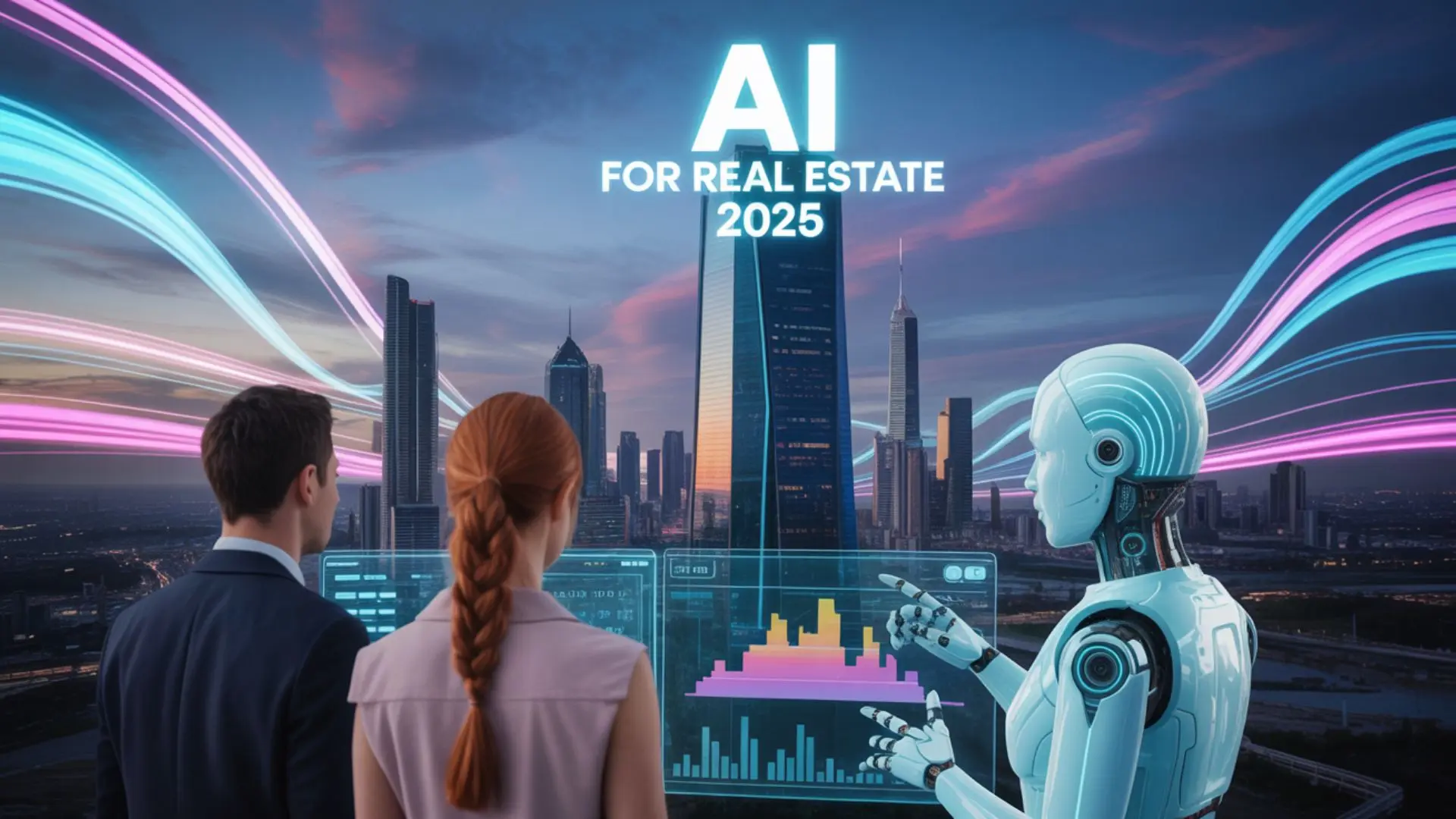
The real estate industry is undergoing rapid change. AI-powered tools are now helping agents close more deals with less effort. Imagine a system that responds to leads in seconds, predicts the best sellers, and even writes property descriptions. This isn’t the future—it’s happening in 2025. In this guide, we’ll explore the best AI for real estate, how it’s transforming the industry, and how you can start using it today. AI for Real Estate is transforming how agents find, price, and sell properties with data-driven precision.
Whether you’re a solo agent or part of a big team, AI lead generation and automation can save time and boost sales. With AI for Real Estate, investors can predict market trends and identify profitable locations faster than ever. We’ll cover the top tools, real-world examples, and simple steps to start. Let’s dive in.
Introduction to AI in Real Estate
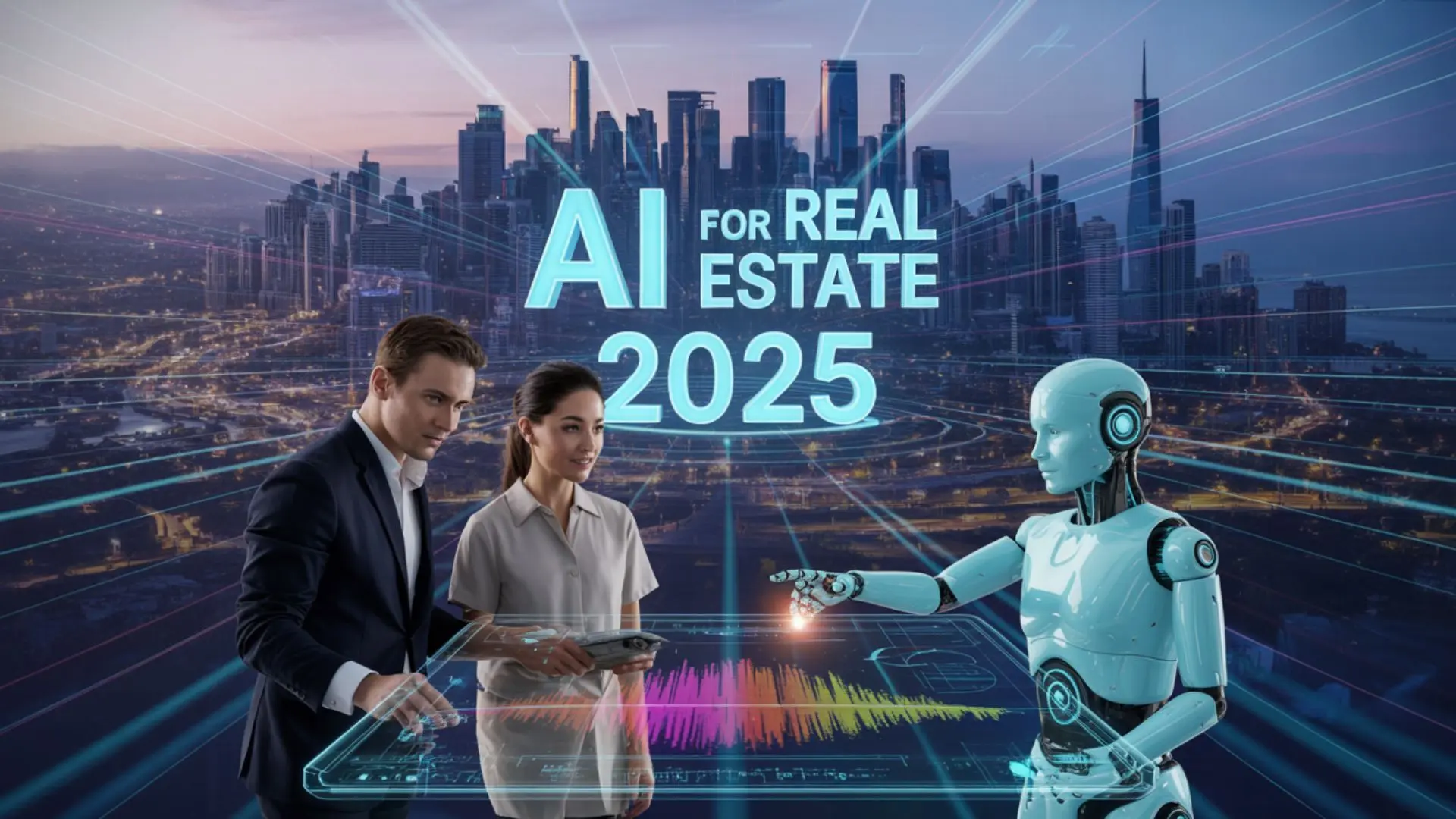
The real estate industry is undergoing a tech-driven revolution, thanks to AI-powered tools that streamline everything from lead generation to property management. In 2025, agents leveraging predictive analytics and automated follow-ups are closing deals faster than ever. Imagine smart chatbots handling midnight inquiries or algorithms pinpointing the hottest off-market properties—this is the power of AI for real estate. Property managers rely on AI for Real Estate to detect maintenance issues before they become costly problems.
No longer a luxury, these tools are essential for staying competitive. Whether it’s virtual staging to attract buyers or voice assistants scheduling showings, AI transforms how agents work. This guide explores the top strategies, tools, and real-world use cases to help you harness AI’s potential—and leave manual processes behind. AI for Real Estate helps automate property valuations, saving time and reducing human error.
Why AI Is Revolutionizing Real Estate in 2025
Gone are the days of chasing cold leads. AI for real estate now leverages predictive analytics to pinpoint high-intent buyers. Tools like Lindy analyze behavior—such as homes viewed, response times, and even social signals—to rank leads with 90% accuracy. No more guessing who’s serious; AI-powered lead scoring works for you.
The real magic? Automated follow-ups. AI for real estate crafts hyper-personalized emails, texts, and even AI-driven calls in seconds. Harvard research proves responses within 5 minutes boost conversions by 400%. Imagine sending a virtual staging AI preview to a night owl buyer at 2 AM—that’s the 2025 advantage.
Top 6 AI Tools for Real Estate Agents (2025 Rankings)
Here are the best real estate AI tools right now:
| Tool | Best For | Key Feature |
| Lindy | AI calls & lead response | Books showings automatically |
| Ylopo | Facebook/Google ad leads | AI chatbots for instant replies |
| ChatGPT | Listing descriptions & scripts | Writes SEO-friendly content fast |
| CINC | All-in-one CRM & texting | Tracks lead behavior in real-time |
| Restb AI | Property image analysis | Estimates home value from photos |
| Virtual Staging AI | Empty home staging | Turns vacant rooms into dream homes |
These tools assist with everything from AI-driven lead generation to intelligent recommendations in real estate. The best part? Many offer free trials, so you can test them risk-free.
AI-Powered Lead Generation Strategies
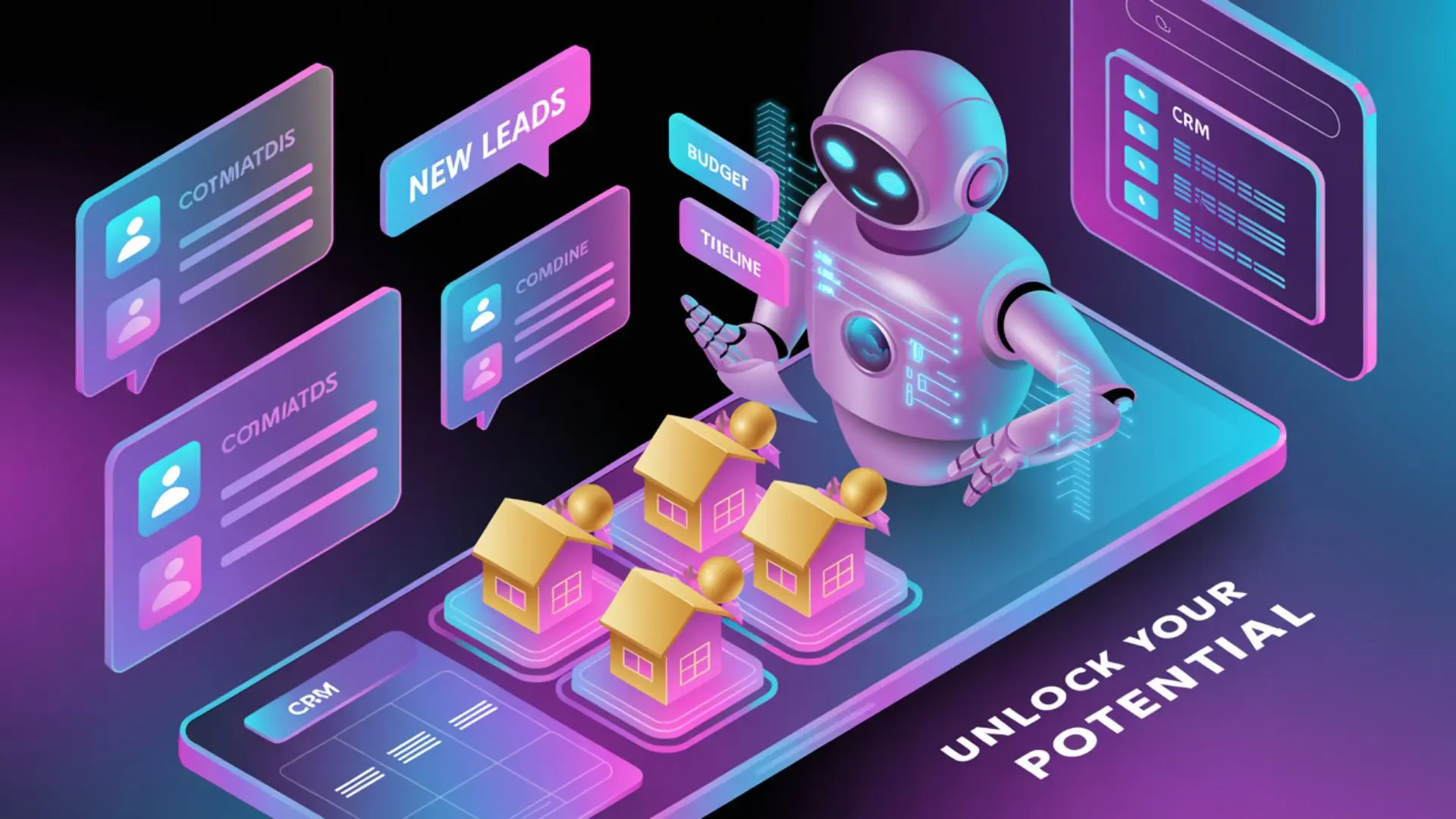
Want more hot leads? AI can help. AI-driven email campaigns send hyper-personalized messages based on buyer interests. For example, if someone views luxury condos, they’ll get listings matching their taste, not generic spam.
For agents and agencies, AI for Real Estate takes efficiency to another level. It powers chatbots that answer client queries 24/7, automates lead management, and personalizes marketing campaigns to reach the right audience at the right time. Property managers also benefit, using AI for Real Estate tools to detect maintenance issues early, forecast rental demand, and streamline tenant communication.
Another powerful tactic? AI voice assistants for agents can call leads, ask qualifying questions, and book appointments. This means faster responses and higher conversion rates. Some agents report a 30% increase in closed deals using AI follow-ups.
Enhancing Property Marketing with AI
First impressions matter. Virtual staging AI lets you furnish empty homes digitally for just $20 per room—way cheaper than real staging. AI for property marketing also creates videos, writes listing descriptions, and runs targeted ads.
In marketing, AI for Real Estate is rewriting the rules. Agents can now hyper-personalize ads, automate outreach, and target high-intent buyers with precision. Instead of casting wide nets, AI for Real Estate allows professionals to focus on people most likely to convert. Add to that AI-generated virtual tours and chatbot-assisted customer service, and the buying journey becomes smoother, faster, and more human — ironically, thanks to machines.
For example, OpusClip turns long property tours into short, engaging videos perfect for TikTok and Instagram. This helps attract younger buyers who prefer video over text.
AI for Data Analysis & Decision-Making
AI doesn’t just generate leads—it helps you make smarter decisions. Real estate data analytics tools scan market trends, tax records, and social signals to find hidden opportunities.
Ultimately, AI for Real Estate isn’t just about convenience — it’s about transformation. It’s bridging the gap between human intuition and machine intelligence, helping professionals close deals faster, reduce risks, and deliver exceptional client experiences. The future of real estate belongs to those who learn to work smarter with AI for Real Estate.
For example, some AI tools predict which neighborhoods will boom next based on school ratings, job growth, and new developments. This lets you advise clients with confidence.
Will AI Replace Real Estate Agents?
No—AI won’t replace agents. It replaces repetitive tasks so agents can focus on relationships. A Zillow study found that 83% of buyers still want a human agent for negotiations and advice. AI makes agents faster and more efficient.
Agents use it to automate the boring stuff — scheduling, emails, valuations — so they can focus on closing deals. Investors use AI for Real Estate to find high-ROI properties before the crowd catches on. Even buyers get a boost, with AI tools recommending homes that fit their lifestyle, budget, and future goals.
The best part? AI for Real Estate keeps learning. Every search, sale, and click makes it sharper — turning data into strategy and turning real estate into a science, not just an art.
How to Implement AI in Your Real Estate Business
Start small. Pick one task to automate, like lead follow-ups or listing descriptions. Tools like Lindy or ChatGPT are easy to set up. Once you see results, expand to other areas.
On the backend, AI for Real Estate is streamlining property management and operations. It predicts maintenance needs before breakdowns happen, prevents fraud through document verification, and optimizes rental pricing in real time. The result? Reduced costs, happier clients, and data-backed confidence in every decision. The businesses embracing AI for Real Estate today aren’t just keeping up — they’re setting the pace for what comes next.
Pro tip: Train your team on AI tools. The faster they adapt, the more deals you’ll close.
Future Trends: AI in Real Estate Beyond 2025
Soon, AI-powered smart contracts could automate closings. Voice assistants like Alexa might let buyers place bids by voice command. Self-updating CRMs will log every interaction automatically.Virtual agents powered by conversational AI will handle initial client interactions, qualify leads, and even negotiate basic terms — freeing up human agents for high-value strategy and relationship building. Meanwhile, AI in Real Estate will merge with augmented reality (AR) and the metaverse, allowing buyers to “walk through” properties across the world from their living room.
Sustainability will also take center stage. With AI in Real Estate, buildings will self-monitor energy use, predict maintenance needs, and reduce costs through smart automation. By 2030, we’ll likely see AI ecosystems managing entire property portfolios — making decisions faster, cheaper, and with near-zero human error.
The takeaway? AI in Real Estate won’t replace professionals — it’ll redefine them. The winners will be the ones who learn to collaborate with technology, not compete against it.
The future is bright for tech-savvy agents.
FAQS
1. Can I use AI for real estate?
Yes! AI for real estate aids in lead generation, virtual staging, and automating tasks such as follow-ups.
2. Can AI replace a real estate agent?
No, AI in real estate assists agents but can’t replace human negotiation and relationships.
3. What form of AI is most commonly used in real estate?
AI-powered chatbots and predictive analytics tools are the most popular in 2025.
4. Is it legal to use AI to make money?
Yes, using AI for real estate lead generation and automation is completely legal.
5. Which jobs will AI not replace?
Jobs requiring emotional intelligence (e.g., agents and negotiators) will thrive even with real estate AI tools.
For more proven digital side hustles, tools, and tech-driven income strategies, visit our Homepage at DeepTechly.
Conclusion & Next Steps
AI is no longer optional—it’s a competitive advantage. Start with a free trial of Lindy or ChatGPT and see the difference. The future of AI for Real Estate lies in combining predictive analytics with human insight for unbeatable results. Expect AI-driven platforms to predict not only property values but also entire neighborhood growth patterns based on demographics, climate data, and infrastructure trends.
Ready to automate? Try AI for real estate today and close more deals with less work.